Early years planning contains a genuine tension. Too little structure and opportunities are missed. Too much and the play stops being play — which removes exactly the thing that made it valuable.
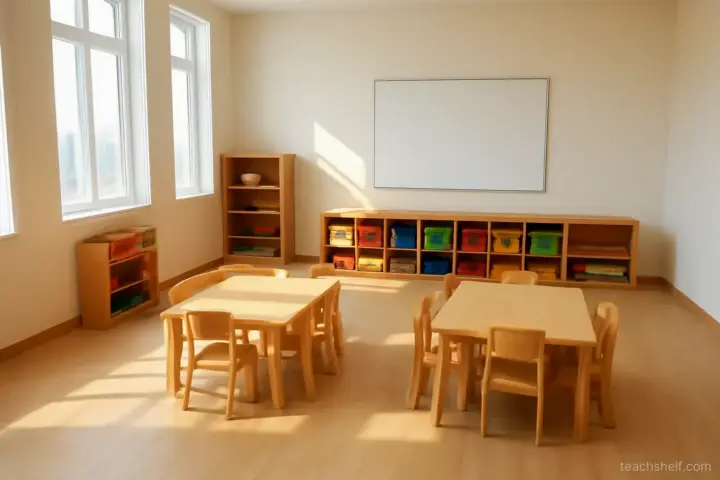
Resolving it is mostly about planning the environment rather than the activity.
Plan the environment, not the outcome
- Set up spaces that invite particular kinds of play and let children decide what happens in them.
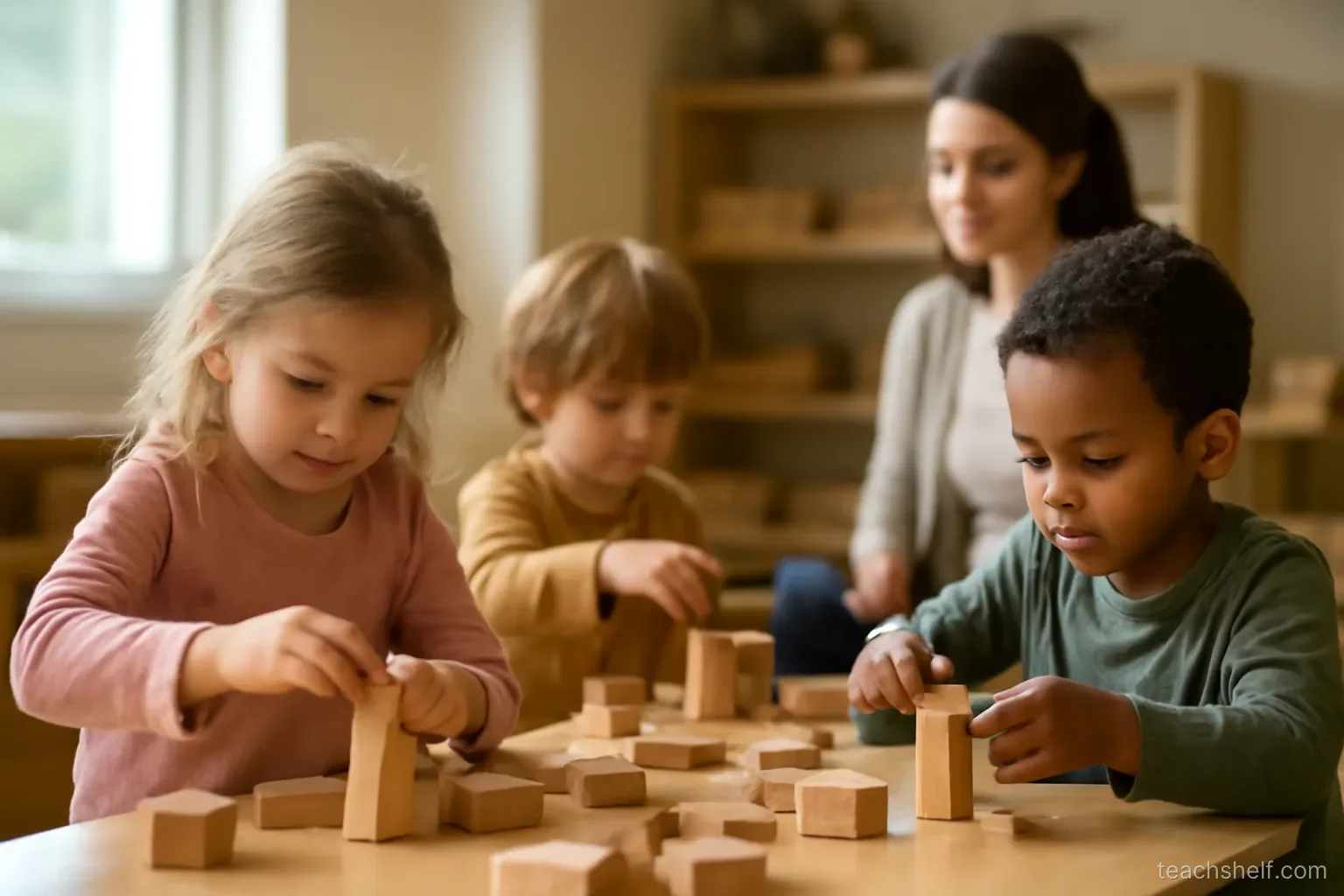
- Provide open-ended materials — things that can become many things. They sustain play far longer than single-purpose toys.
- Change one area at a time rather than resetting everything, so children can build on what they did yesterday.
- Leave things out across sessions where you can — play that continues over days goes deeper than play that restarts each morning.
- Watch what children do with a setup and adjust it, rather than assuming your intention will match theirs.
Protecting long stretches
- Deep play takes time to develop — the first fifteen minutes are usually setup.
- Frequent interruptions prevent it entirely. A timetable chopped into short blocks produces shallow play all day.
- Protect at least one long uninterrupted period per session.
- Think carefully before joining in. An adult entering play often ends it, or turns it into an adult activity.
- Watch before you intervene — much of what looks like nothing happening is planning or negotiation.
Following interests
- Notice what recurs — a child returning to the same theme is telling you something.
- Extend rather than redirect — add a material, a question, a related resource.
- A shared interest across several children is worth building on for weeks, not one session.
- Ask the child about it rather than assuming what they are exploring.
- Bring in family knowledge — parents often know the origin of an interest and can extend it at home.
The adult's role during play
- Observe — the largest and most undervalued part of the role.
- Provide, when a child needs something to continue.
- Comment on what is happening rather than asking a stream of questions. Narration supports language; interrogation stops play.
- Model rather than instruct where you want to introduce something.
- Step back once it is going.
- Support entry into play for a child who cannot get in — this is one of the most useful interventions available and it is easy to miss.
Where adult-led activity fits
- Some things need teaching directly — a technique, a safety rule, a skill with equipment.
- Keep adult-led sessions short and connected to what children are already doing.
- Small groups work better than whole-group for anything requiring participation.
- Let children opt out where the activity is not essential; forced participation teaches reluctance.
- Return the material to free access afterwards so children can continue with it.
Observation and recording
- Record what you saw, factually — what the child did and said, not what you concluded from it.
- Short and frequent beats long and occasional. A few lines noted the same day is worth more than a detailed account written from memory a week later.
- Photograph the process, not only the finished thing.
- Do not let recording take over. A practitioner writing notes is not a practitioner supporting play — the paperwork exists to serve the child, not the file.
- Use observations to plan next steps for that child, which is the only reason to collect them.
Planning as a cycle
- Observe what children are doing and interested in.
- Assess what they can do and what is emerging.
- Plan the environment and any adult input.
- Review what actually happened — including the things that did not work.
- Keep the loop short. A weekly cycle responds to real children; a term-long plan responds to imagined ones.
Children who need extra support
- Some children need help entering play — a paired activity, an adult alongside for a while.
- Some need a predictable option available every day.
- Some need adjusted materials or physical arrangements.
- Plan for them specifically rather than expecting the general provision to work.
- Involve parents and follow your setting's process where additional support may be needed. Describe observations; do not diagnose.
One thing worth remembering
The question that keeps planning honest is not whether the activity was well organised.
It is: what did the children actually do with it — and what does that tell you to set up tomorrow?
Frequently asked questions
How do you balance structure and freedom in early years?
By planning the environment rather than the outcome — set up spaces that invite particular kinds of play and let children decide what happens in them.
Why do long uninterrupted periods matter?
Because deep play takes time to develop — the first fifteen minutes are usually setup, so a timetable chopped into short blocks produces shallow play all day.
Should adults join in with play?
Carefully. An adult entering play often ends it or turns it into an adult activity — observe before intervening, and step back once play is going.
How should observations be recorded?
Factually and briefly, the same day — what the child did and said, not what you concluded. And recording must not take over, because paperwork exists to serve the child.
How long should a planning cycle be?
Short. A weekly observe-assess-plan-review cycle responds to real children; a term-long plan responds to imagined ones.